Lost Kingdom of Maharlika
Tala Estate, the Truth Uncovered
Mohon ng Lupang Maharlika
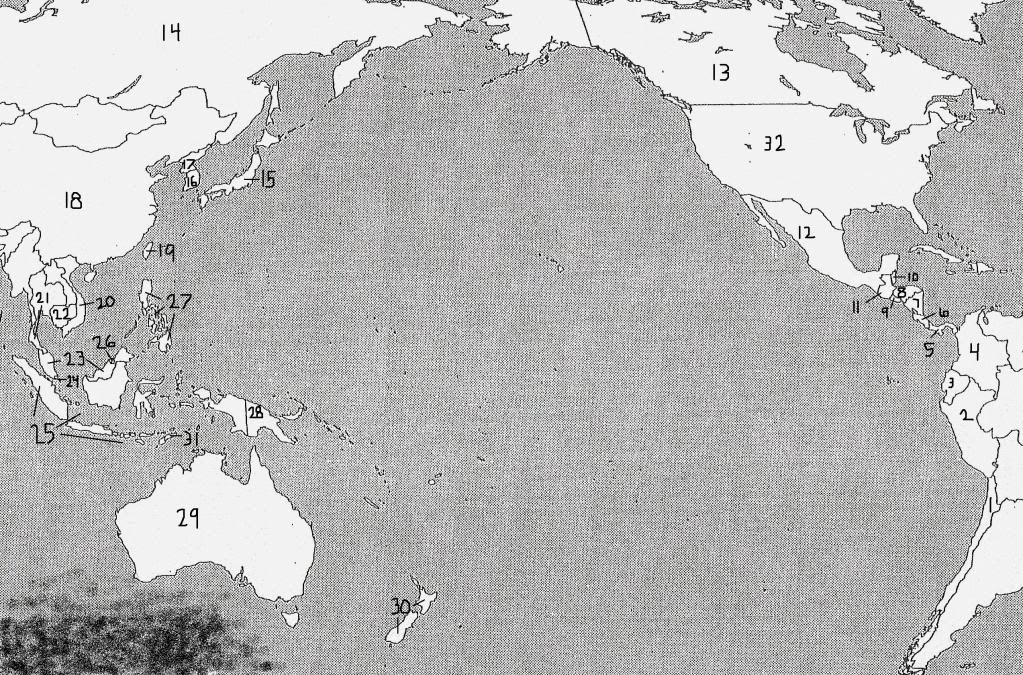

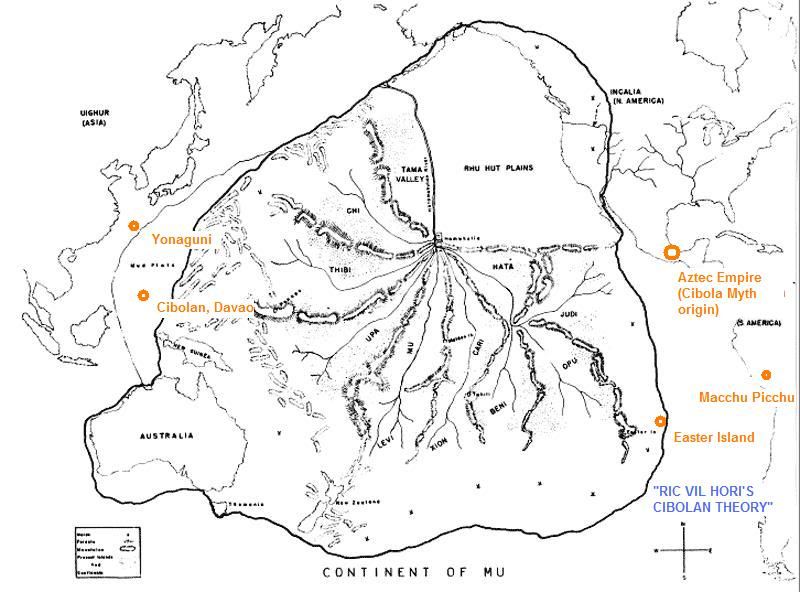
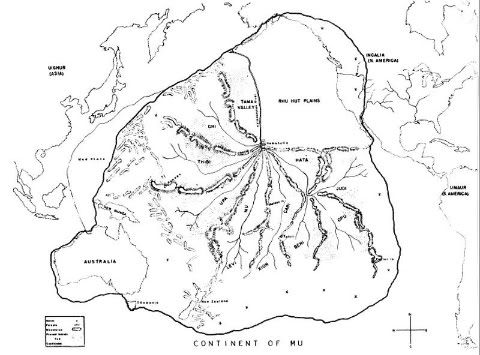
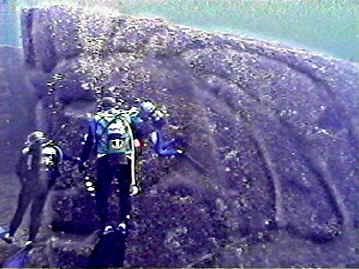
Saturday, the 16th of March, 1521, we arrived at daybreak in sight of a high island, three hundred leagues distant from the before-mentioned Thieves Island, This Isle is called Zamal(1). The next day the general wished to land at another uninhabited island near the first , to be in greater security and to take water, also to repose there a few days.
The next day the general wished to land at another uninhabited island near the first,
The island we were at was named Humunu(1); nevertheless because we found there two springs of very fresh water we called it the Watering place of good signs, and because we found here the first signs of gold. there is much white coral to be found here, and large trees which bear fruit smaller than an almond, and which are like pines. There are also many pine tress both good and bad. In this place there were many circumjacent islands, on which account we named them the Archipelago of St. Lazarus, because we stayed there on the day and feast of St. Lazarus(2).
That same day (March 25,1521) we took the course between West and Southwest(1) and passed amist four small islands, that is to say, Cenalo, Huinanghar, ibusson and Abarien.(2)
Thursday, the 28th of March, having seen the night before fire upon an island, at the morning we came to anchor at this island; where we saw a small boat which they call Boloto, with eight men inside, which approached the ship of the captain-general. Then a slave of the captain's who was from Sumatra(1), otherwise named Trapobrana, spoke from afar to these people, who understood his talk (2), and came near to the side of the ship, but they withdrew immediately, and would not enter the ship from fear of us.
The island of this king was called Zaluan and Calagan(1), and when these two kings wish to one anotherr they come to this island where we were(2). Of these kings the painted one is called Raia Calambu, and the other one Raia Siani.

However, there were indeed accounts of first-hand witnesses (local inhabitants, construction workers, treasure hunters) who discovered skeletal remains in Samal. Most of these discovered remains were stolen and unaccounted for. Even foreign scientists investigated the phenomenon. but mediocre nartional historical authorities (as they had, until recently, ignored the role of Mindanao legacy in mainstream history lessons ) outrightly dismissed these priceless gems of local history that could otherwise spell the difference to the dysfunctional state of this oligarch-dominated state and society.